- Учитель: Администратор Пользователь



Then, the course will be focusing on the concepts of energy balance, and on the elements and fundamental methods for determining if a person’s diet contains enough nutrients to promote health. The major topics will be presented considering each essential nutrient and recommended daily food intake.
After completion of the course, students will be able to:
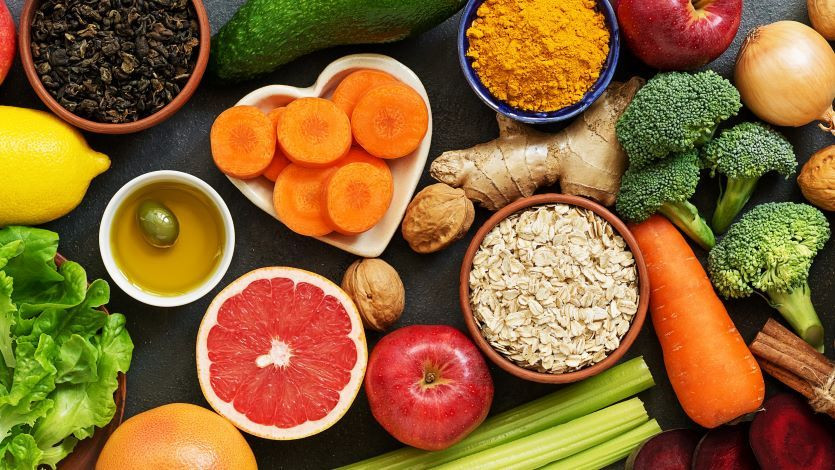
This course explores the challenges of eating well around the globe considering environmental and economic factors, as well as access to and availability of nutritious food. Relying on the disciplines of food and resource economics, food science, and human nutrition, the course investigates and reflects on the contemporary international issues of global nutrition and sustainability from both economic and health perspectives. Major themes include the economics of global food systems, the growing problem of food waste, the implications of population growth, the impact of various eating patterns (e.g. animal sourced proteins, vegan, vegetarian, etc.) on the environment, the issues of food security and sustainability, and the elusive meaning of “healthy” eating.

Upon completion of this course, you will be able to:
1. Identify of the eating choices of elderly.
2. Provide reasoning of general eating choices of elderly.
3. Assess macronutrients and micronutrients’ intake requirements.
4. Provide recommendations regarding the healthy diet suitable for elderly.
5. Create a diet plan of elderly to maintain health or improve their health condition.

his course explores the main food product components and their impact on human health. Topics include main factors which may cause changes in food product components. The course then focuses on scientific side of changed food product components.
After completing this course you will be able to
This course includes 4 topics for 25 hours: 12 hours variouse class activities and 13 for self study. (1 ECTS)
Lesson 1: The main of food products. Phytonutrients, minerals and vitamins. Their impact on health
Lesson 2: Unfavorable environmental factors and nutrigenomics. Chemical fertilizers, herbicides, pesticides, chemical fertilizers
Lesson 3: Basic food products: what has changed in their composition? Aquaponics.
Lesson 4: How does the composition of food change if stored incorrectly? Plastic containers, plastic bags, oil under sunlight